Posts under Facilitation focuses specifically on the creative technique of bringing people together to generate ideas, such as providing relevant materials in advance, setting up the right environment and atmosphere, facilitating the meeting, leading icebreakers and exercises, and wrapping up so the best ideas can be further refined. Check out Games & Exercises for specific suggestions. Please use the Search bar to scan for other relevant words or tags.
If you’ve decided that hiring an external meeting or brainstorm facilitator is your best option, here are some recommendations and tips to find the right facilitator for your project or
Employees need meetings that work – insightful, productive and collaborative – and hiring an experienced facilitator can play a big part in making sure that happens. Can a good facilitator
Don’t have time to read a long post on creating ideas? If so, here are my best brainstorming tips, quick-snap. For speed, you only need 2-3 people + a place
A great article by Mike Brown from Brainzooming in the USA, this post outlines the 10 signs to look for to know if your brainstorm is finished. Here’s the link
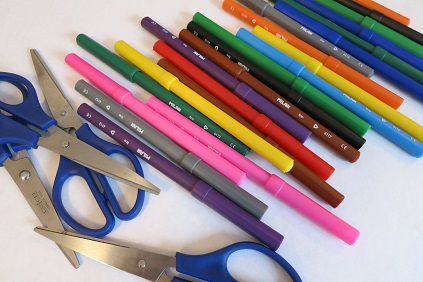
“Be prepared” is a mantra that stretches from Plato to Madame Curie to the Boy Scouts. It’s also relevant for brainstorm supplies. There’s nothing worse when your participants are ready
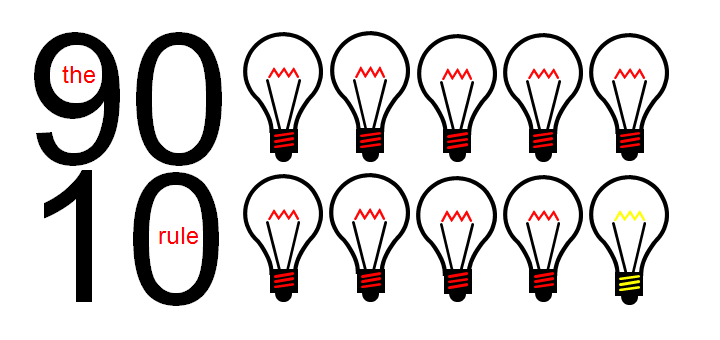
If you work in creativity of any type, you know the 90-20 Rule, also known as Sturgeon’s Law. OK, technically, Sturgeon’s Law is Ninety percent of everything is crap. No, he
I talk often about how to facilitate a better brainstorm, but this time I want to focus on the participants themselves – specifically, how can you be a better brainstormer
Understanding and articulating the problem (“a less than ideal state” says Gene Agre in The Concept of a Problem (1982) is the most crucial step in creative thinking. But, it’s
During a long bus ride recently, I finished the Australian novel The Slap. Perhaps I was hallucinating after eight hours without WiFi, but I found a lot of symmetry between bad behavior
When someone asks me out for coffee (literally or figuratively), they often follow their invitation with this declaration. “I want to be a brainstorm facilitator.” Like any occupation, a brainstorm
Brainstorm early and as often as possible is Post #5 in a series from a presentation entitled 11 Great Creative Slip-Ups: The Most Common Mistakes in Brainstorming. The introduction to










 By Andy Eklund